Option • Cartons & Corrugated Boxes
Custom Molded Pulp Inserts for U.S. Products
Custom molded pulp and formed-fiber insert paths for U.S. retail and shipping packs, evaluated around product fit, transit risk, pack-out work, tooling, and sample evidence.
Option • Cartons & Corrugated Boxes
Overview
Custom molded pulp and formed-fiber insert paths for U.S. retail and shipping packs, evaluated around product fit, transit risk, pack-out work, tooling, and sample evidence.
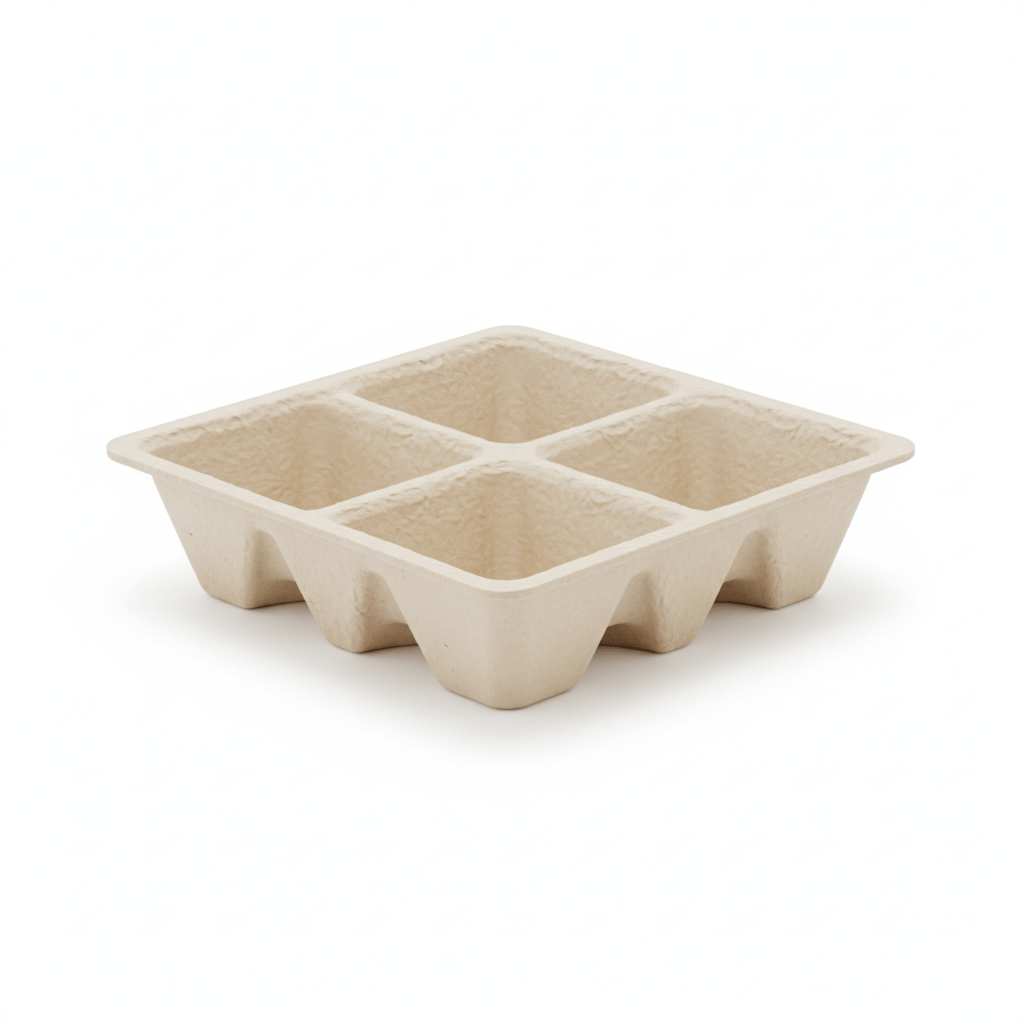
product image
Product image for this SKU, shown to help teams compare structure, shape, and handling details before RFQ.
Retail and Transit Fit
Separate presentation needs from parcel, LTL, pallet, and warehouse protection requirements.
Tooling and Fit Review
Define support points, draft, tolerances, release features, and pack-out orientation before requesting samples.
Evidence Before Conversion
Compare prototypes against the current insert with route-matched handling checks before a commercial change.
Molded Pulp Inserts for Retail and Shipping
Retail trays and shipping inserts solve different problems. A retail insert may prioritize presentation and repeatable placement, while a shipping insert must also control movement, impact, abrasion, and stacking exposure.
- Retail, subscription-box, electronics-accessory, personal-care, and consumer-goods packs
- Shipping inserts, end caps, trays, and product-location features
- Single-SKU and family-tooling concepts where geometry and risk allow
Geometry, Tolerances, and Surface Requirements
A useful first design brief identifies the product support points and the variation the pack can tolerate. Precision, surface finish, dust sensitivity, color, nesting, and automated or manual pack-out all influence the formed-fiber route.
- Product CAD or measured dimensions, weight, center of gravity, and fragile zones
- Acceptable movement, cosmetic-contact limits, and orientation requirements
- Carton dimensions, pack-out sequence, nesting limits, and storage footprint
When Molded Pulp Can Replace Foam
Molded pulp can replace selected EVA, EPE, EPS, or thermoformed components, but it is not an automatic one-for-one substitute. The comparison should cover cushioning behavior, fit precision, surface contact, moisture exposure, pack-out labor, and the actual transport route.
Prototype, Testing, and RFQ Path
Start with a controlled prototype comparison and record fit, handling, damage, dust, assembly time, and pack presentation. Tooling, MOQ, sample timing, production lead time, and final performance requirements remain project-specific and are confirmed only through the reviewed RFQ and an authorized final quotation.
- Send product files, current packaging, route details, failure photos, and expected volume
- Agree the prototype questions and route-matched checks before ordering tooling
- Define acceptance evidence before expanding from pilot to repeat production
FAQs
What makes a molded pulp insert suitable for U.S. parcel shipping?
The insert must control movement and protect the product through the actual parcel profile. Product fragility, carton fit, impact direction, abrasion, and climate exposure should be checked together.
Can molded pulp inserts replace foam packaging?
Sometimes. The decision depends on cushioning behavior, fit tolerance, surface sensitivity, moisture exposure, and the handling route rather than material preference alone.
What information is needed for a molded pulp insert RFQ?
Share product CAD or dimensions, weight, fragile zones, current packaging, carton space, route, pack-out method, forecast volume, and the failure or sustainability goal.
How are tooling, MOQ, samples, and lead time determined?
They depend on geometry, cavity strategy, material, finish, supplier process, volume, and validation scope. Project terms are established during RFQ review and confirmed only in the approved quotation.