Program • Flexible Packaging
Paper-Based Pouch Pathways
Paper-based pouch pathways for UK programmes pursuing lower-plastic packaging with due regard for seal integrity, barrier suitability, and packing-line practicality.
Program • Flexible Packaging
Overview
Paper-based pouch pathways for UK programmes pursuing lower-plastic packaging with due regard for seal integrity, barrier suitability, and packing-line practicality.
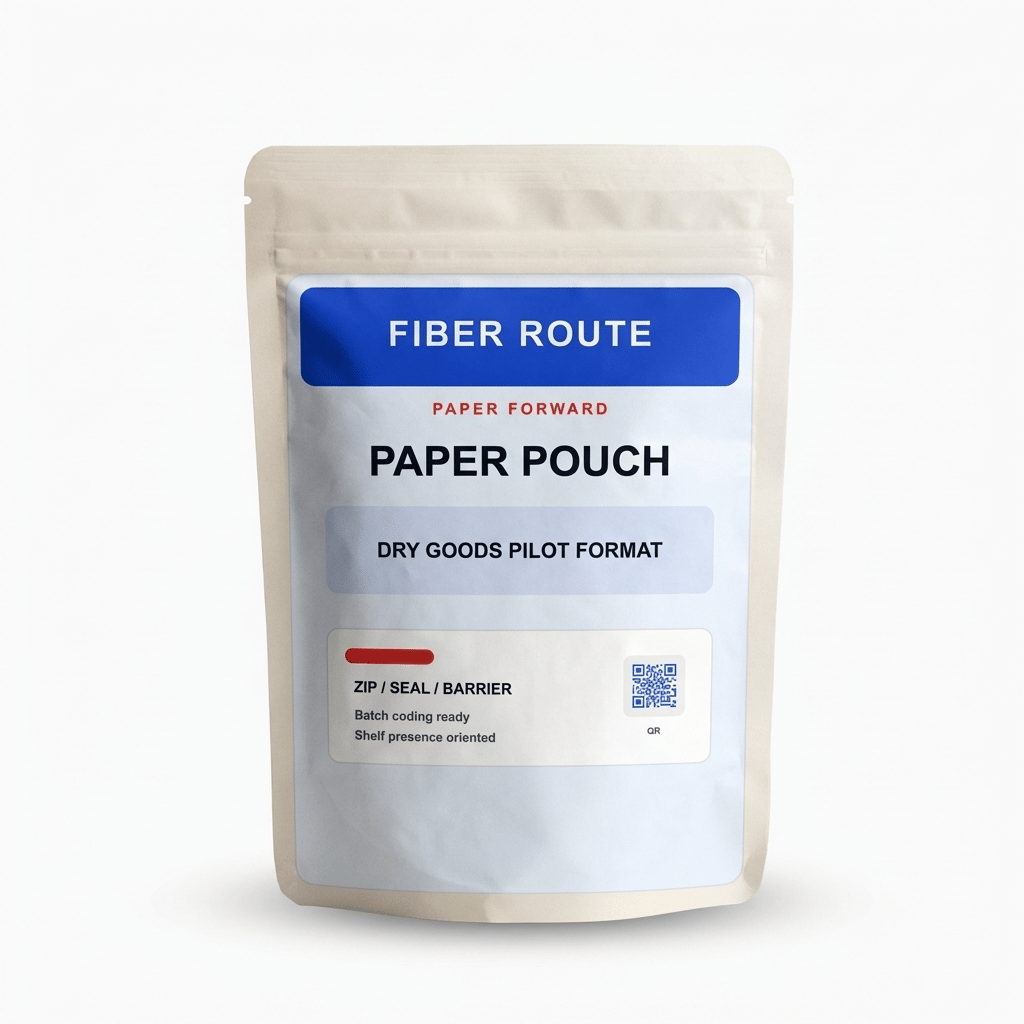
product image
Product image for this SKU, shown to help teams compare structure, shape, and handling details before RFQ.
Paper-Forward Positioning
A route for programs that want lower plastic dependence and a more paper-led pack story.
Use-Case Discipline
Best for selected dry or moderate-risk products, not every barrier-heavy application.
Validation First
We check sealing, stiffness, scuff, and handling before recommending commercial rollout.
Where Paper-Based Pouches Work
Paper-based pouch pathways are usually strongest in dry-product or lower-barrier programs where branding and material direction matter as much as shelf-life extremes.
- Dry foods, powders, mixes, and selected supplements
- Retail programs that want a paper-forward look and feel
- Pilot SKUs where a lower-plastic route is being evaluated before broader conversion
What The Structure Usually Involves
In practice, paper-based pouches are often paper-forward rather than purely paper. Sealant layers, coatings, or support layers may still be needed depending on the pack objective.
- Paper-dominant webs or paper-faced laminations
- Seal behavior reviewed against your line and fill method
- Finish and scuff tradeoffs reviewed against brand expectations
- Barrier needs checked honestly before any sustainability claim is made
How We De-Risk Conversion
We recommend a staged path: choose one SKU, test sealing and pack behavior, review shelf/storage performance, then expand only after the data is good enough.
FAQs
What products are best suited for Paper-Based Pouch Pathways?
Dry foods, powders, mixes, and selected supplements work best, especially where barrier needs are moderate and paper-forward branding is prioritized over maximum protection.
Do Paper-Based Pouch Pathways run on existing pouch filling lines?
They often do, but we review stiffness, seal window, friction, and handling against your specific line and fill method before recommending rollout.
What materials are typically used in Paper-Based Pouch Pathways?
Paper-dominant webs or paper-faced laminations with possible sealant layers or coatings to ensure seal behavior and finish match your objectives.
How do we test and rollout Paper-Based Pouch Pathways?
Start with one SKU: validate sealing, scuff resistance, shelf performance, and handling, then expand based on data from your line and storage conditions.
Can Paper-Based Pouch Pathways handle coffee or aroma-sensitive powders?
Yes for moderate-risk profiles, but test seal strength, aroma retention, and scuffing first, as paper structures may need adjustments for optimal shelf life.
How do Paper-Based Pouch Pathways compare to full plastic laminates for dry snacks?
They offer lower plastic use and paper-led aesthetics with similar machinability for dry snacks, but explicit tradeoffs in barrier and stiffness must be validated.
What storage conditions suit filled Paper-Based Pouch Pathways?
Cool, dry environments minimize scuff and stiffness issues; review your shipping profile and shelf-life targets during initial piloting.
Are Paper-Based Pouch Pathways suitable for export to humid markets?
For dry products with checked moisture sensitivity, yes after validating seal and barrier against your specific humidity and transit conditions.